 Business License

Core Maintenance Guidelines for Maximizing Vertical Mill Reducer Service Life
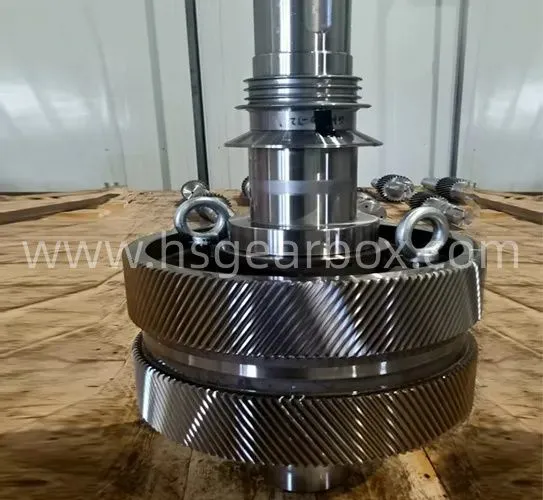
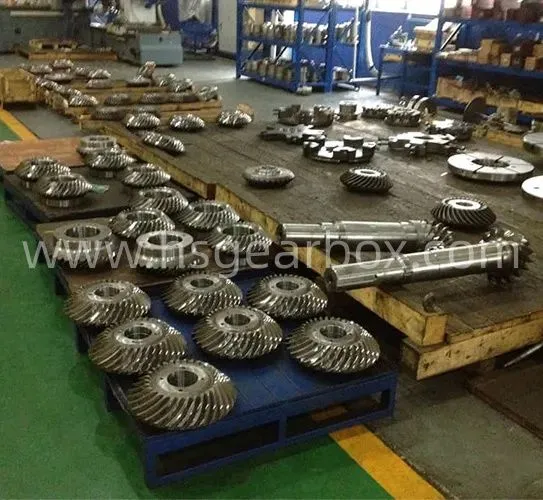
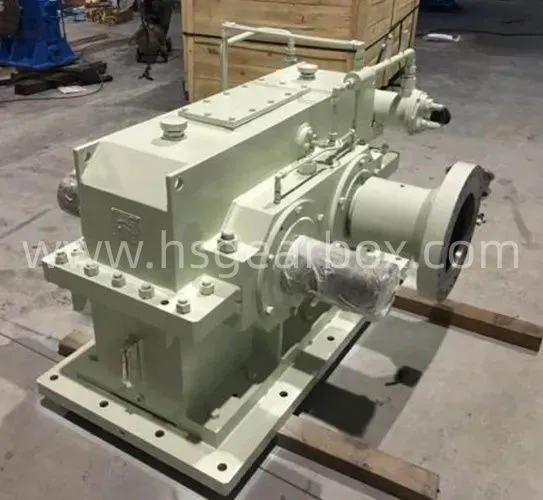
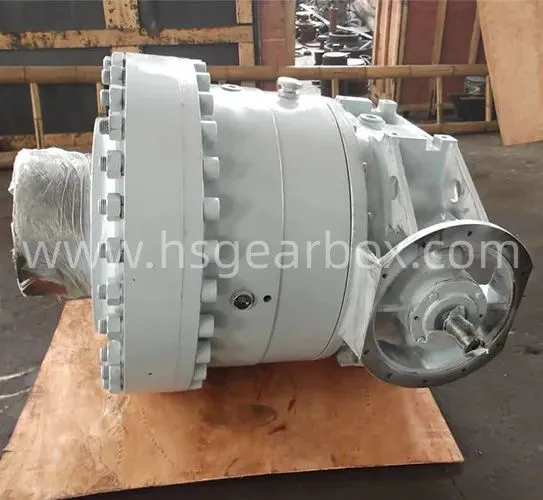
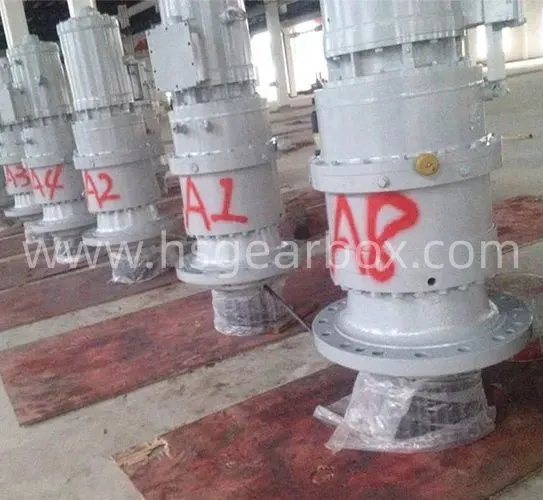
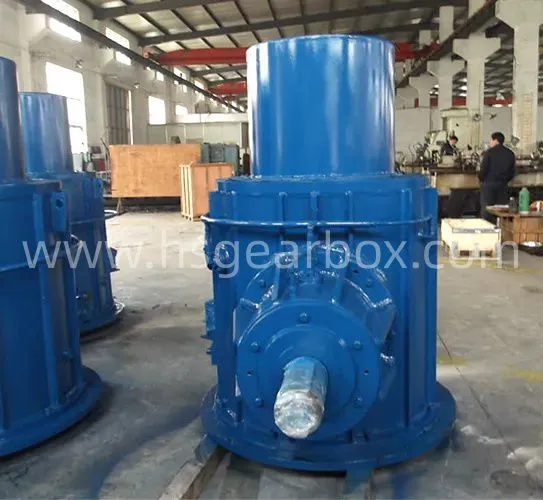
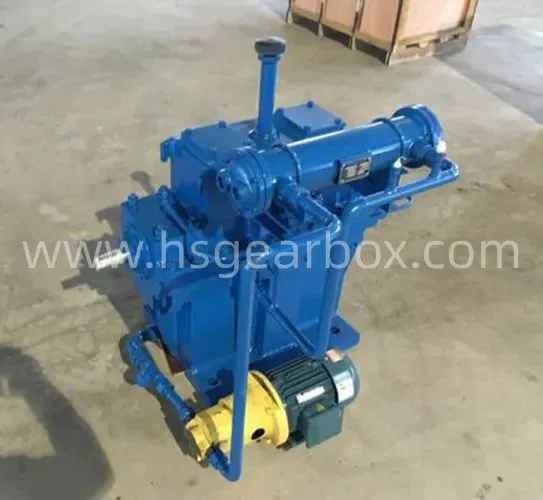
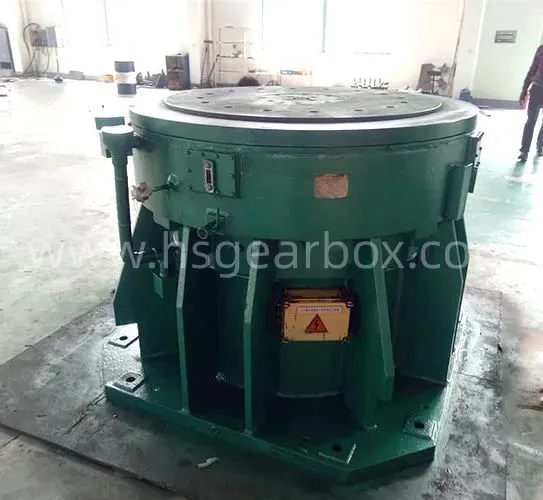
Before you plan maintenance, you need to know what is inside the box. Most Vertical mill reducers are built the same way. Power comes in horizontally from the motor, goes through a bevel gear set that turns the motion vertical, and then passes through a planetary stage that multiplies torque for the heavy grinding table. Under the table sits a large thrust bearing that carries both the weight of the table and the grinding load from the rollers. Around all of that runs a lubrication circuit with its own pump, filter, and cooler.
That structure explains most of the failure patterns you will see. Wear starts in whichever stage is most heavily loaded, usually the planetary gears or the thrust bearing, and oil is the only thing standing between that wear and a metal-to-metal breakdown. So maintenance is really about two jobs: keeping the oil healthy, and keeping the load honest.
The Two Things That Kill A Reducer First
In my experience, almost every early reducer failure traces back to one of two causes.
Oil contamination. Water gets in through the breather on a cold start, or abrasive dust settles into the housing, and the oil stops protecting the gears. Once the film breaks, wear accelerates fast.
Overload on the table. A jammed feed, a sudden surge of oversized material, or an operator pushing the mill past its rating sends torque spikes through the planetary stage that the design never intended.
You cannot see either of these coming from a daily walk-around. You catch them with oil analysis and load records, which is exactly what the schedule below is built around.
Oil Is The Reducer's Blood
Of everything on the list, oil analysis gives you the most information for the least money. A quarterly sample tells you whether the gears are wearing normally or shedding metal fast, whether water has gotten in, and whether the viscosity is still in range.
A few rules I stick to:
- Take the sample from a live circuit, not from the drain, so you see what the gears actually run on.
- Track trends, not single readings. One slightly high iron number means little; a rising trend over three samples means something is wearing.
- Change oil on condition, not just on the calendar, but never stretch a change past the manufacturer's maximum interval.
For high load, high temperature duty, a synthetic oil holds up far better than a mineral oil, and the extra cost usually pays for itself in reduced downtime.
Vibration And Temperature Tell You What Oil Cannot
Oil analysis is excellent, but it does not catch everything. A bearing that is starting to spall, or a gear tooth with a hairline crack, often shows up first in vibration and temperature long before the wear metals appear in the oil.
So keep three simple measurements going:
- Vibration on the input and output bearing positions, checked against a baseline you set when the reducer is healthy.
- Oil temperature at the cooler outlet, watched as a trend.
- Bearing temperature where you can reach it with a handheld meter or thermography.
None of this needs an expensive system. A portable vibration meter and a good logbook catch most developing faults. What matters is that you actually look at the trend, not that you own the fanciest analyzer.
Torque Protection And How It Saves The Planetary Stage
The planetary stage is the most heavily loaded part of the reducer, and it is the part that pays for overload protection. Most modern drives include a torque limiter or a shear coupling, and it exists for one reason: to stop a jammed table from tearing the gear teeth apart.
Protection only works if the settings are right. Check that the torque limit is set to a level the reducer can survive, not one that keeps the process running at any cost. And keep an eye on the feed. Surges of oversized or very hard material are how overloads happen in the first place, and controlling the feed is cheaper than repairing a planetary stage.
What To Check During Planned Teardown
Every few years, or after a major event like a grid trip or a suspected overload, you should take the reducer apart and look at the actual wear. Planned teardown is not failure; it is how you avoid failure.
When you are inside, look at these in order:
- Gear tooth contact pattern. A correct pattern sits in the middle of the tooth face. Contact that runs to the edge means alignment or deflection trouble.
- Backlash between gear pairs. Too much means wear; too little can mean the mesh was set tight.
- Thrust bearing condition. This carries the whole table, so any scuffing or fatigue here is serious.
- Seals and their sealing surfaces. A small leak during operation can be a big repair later.
Document what you find. A photo of a healthy contact pattern from this overhaul becomes the baseline you compare against next time.
Frequently Asked Questions
How often should I change the oil in a vertical mill reducer?
There is no single answer, because duty varies. A good starting point is the manufacturer's maximum interval, then let oil analysis drive it. In heavy, hot service you may change more often; in light duty you may stretch it. Never exceed the recommended maximum.
What are the first signs that a reducer is wearing out?
Watch for a rising vibration trend, climbing oil temperature, and wear metals such as iron and copper climbing in the oil analysis. Any of these moving steadily up means you should investigate before a failure.
Can I extend the time between overhauls?
Yes, if the evidence supports it. Steady oil analysis, stable vibration, and normal operating temperatures are a reasonable basis to extend. The opposite also holds: if these numbers climb, do not push the interval just to avoid downtime.
What is a normal operating temperature for this type of reducer?
It depends on design and ambient temperature, but most units run comfortably in the 50–70 °C range at the oil outlet, with higher peaks allowed briefly. What matters is that the temperature is stable and does not keep climbing from one month to the next.
Why does oil analysis matter more than a visual check?
A visual check catches gross problems such as water or visible particles. Oil analysis catches them much earlier, plus things you cannot see, like rising wear metals that point to a specific failing stage. It gives you weeks of warning instead of hours.
Recently Posted
-
How Do You Find a Quality High Speed Gearbox Suited for Industrial Turbine Service?
October 28, 2026I have spent a good part of my career around turbine installations, and there is one pattern I keep seeing. Teams will burn weeks Read More
-
Why vibration control matters when using a high speed reducer?
October 21, 2026A reducer running at low speed can get away with a lot. The gear mesh frequencies are low, the energy per impact is small, and the Read More
-
Why thermal management protects a high speed engine from early failure?
October 21, 2026When people hear "thermal management," they picture a radiator and a fan. That is only half the story. A High speed engi Read More
-
Why Sealing Design Prevents Oil Leakage in High speed reducer?
September 18, 2026High-speed transmission equipment operates under unique working conditions, including fast rotating speeds, continuous internal pr
Read More