 Business License

How Do You Find a Quality High Speed Gearbox Suited for Industrial Turbine Service?
I have spent a good part of my career around turbine installations, and there is one pattern I keep seeing. Teams will burn weeks on the turbine itself, poring over blade designs and bearing clearances, and then pick the Gearbox almost as an afterthought. That is backwards. The gearbox sits between a machine that spins at a few thousand RPM and a machine that wants to spin much faster, it carries the full load of the train, and when the sizing is wrong it is usually the first component to fail. So let me walk you through the things that actually decide whether a High speed gearbox survives in your application, in plain language and without the sales talk.
Start With The Real Load, Not The Nameplate
Most people begin by reading the rated power off the turbine data sheet, and that is a fine starting point, but it is only a starting point. What you really need is the load profile. A turbine that runs at steady load for months behaves completely differently from one that is started and stopped daily, or one that sees sudden load rejections.
Three numbers matter more than the nameplate rating:
- Peak torque during startup or load rejection. This can hit several times the rated torque, even briefly, and the gearbox has to absorb it without the teeth or the coupling giving out.
- Mean load over the duty cycle. This drives the fatigue life of the bearings and gears far more than the peak value.
- How many cycles. A unit that sees frequent starts and stops wears out much faster than one running flat out continuously.
If the supplier only asks for a single power number, treat that as a warning sign. You want to talk in terms of torque, RPM, and duty, not just kilowatts.
Match The Speed And Torque Window
A high speed gearbox for a turbine is usually a speed-increaser. The turbine produces torque at moderate speed, and the gearbox multiplies that speed up for the driven equipment, while the torque drops by the same ratio. Get the ratio wrong and you either over-speed the driven machine or starve it of torque.
You should agree on three things before you compare options:
1. Input speed range from the turbine, including any overspeed the machine can reach.
2. Output speed required by the driven equipment.
3. Torque at each of those speeds, not just at nominal.
It is common to see a gearbox quoted on nameplate speed, and then find that the real running speed sits ten percent higher because of turbine governor settings. Leave yourself margin. A gear ratio that works on paper but sits right at the edge of the allowable speed range is a failure waiting to happen.
Cooling And Lubrication Decide How Long It Lasts
This is where high speed hurts. Once you go past a few thousand RPM, the heat generated inside the mesh becomes the limiting factor, and cooling is no longer a nice-to-have. I have seen perfectly good gear sets ruined because the oil temperature crept up a few degrees every month until the viscosity dropped below what the bearings could handle.
Look for these on the specification:
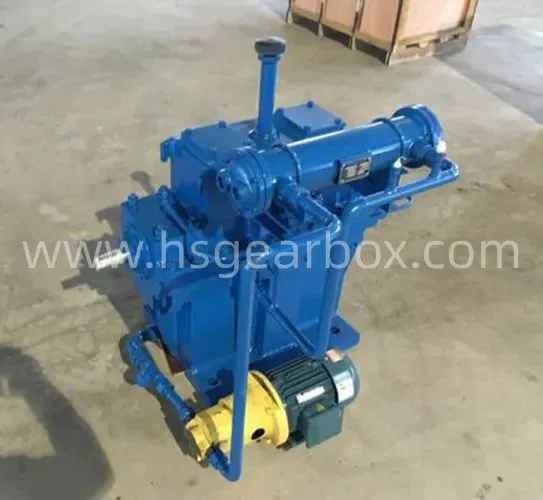
- A forced lubrication system with a dedicated pump, not splash lubrication. At turbine speeds, splash oiling is not enough.
- Oil viscosity matched to the bearing and gear design, usually a synthetic ISO VG 32 to 68 for high speed work.
- An oil cooler sized for the worst-case heat load, not the average. Ambient temperature where the unit is installed matters.
- Filtration and a way to check oil condition without stopping the train.
A gearbox that runs hot is a gearbox that is slowly killing itself. The cooling circuit is worth more attention than many buyers give it.
What To Look At Inside The Gearbox
Beyond the headline numbers, a few design choices tell you how much thought went into the unit.
Bearings. High speed means the bearing is doing a lot of the work. Cylindrical roller bearings for radial load and tilting-pad thrust bearings for axial load are common in this duty. Ask which bearings are used, how they are sized, and what the calculated life is at your operating point.
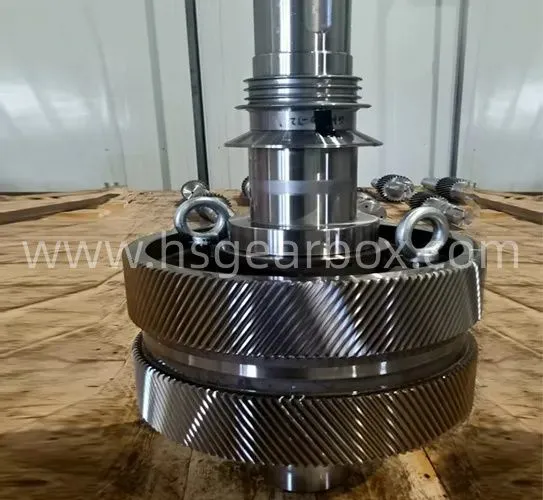
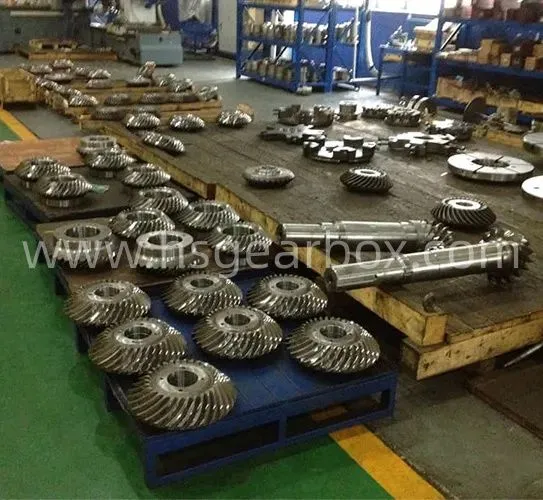
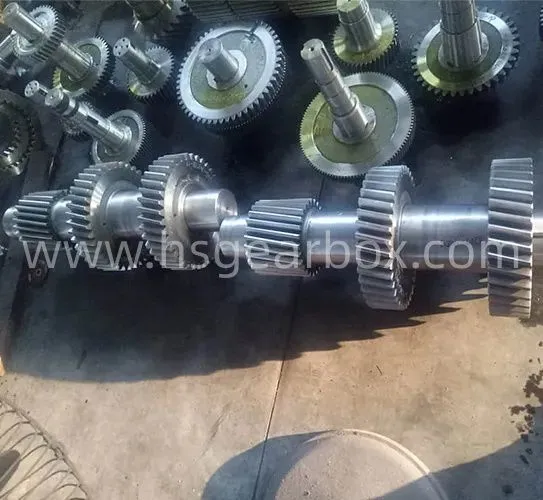
Gear material and heat treatment. Case-hardened and ground gears are the norm for turbine-class gearboxes. Surface hardness, core strength, and grinding quality all affect how long the teeth last under load. A unit that uses soft, unhardened gearing is not built for this service.
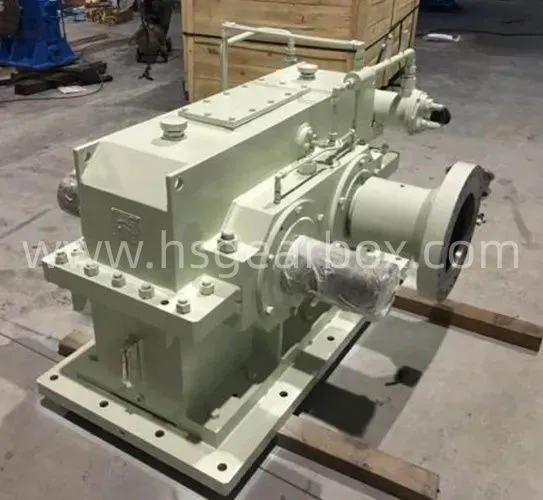
Housing and alignment. A rigid housing holds the shaft centers in place. Flimsy castings flex under load, the mesh geometry shifts, and you get vibration and early wear. Insist on good dowel or spigot locations and a proper alignment procedure at installation.
Sealing and oil containment. At high speed, seals and breathers work hard. Oil leaks are not just a mess; they are a warning that pressure or temperature is out of range somewhere.
Common Failure Points And How To Plan Around Them
In my experience, most gearbox failures in turbine service do not come from one dramatic event. They build up slowly. The usual suspects are bearing fatigue, oil degradation, misalignment that was never corrected, and vibration that no one monitored until it was too late.
A few habits help more than any single component upgrade:
- Vibration monitoring on the gearbox, ideally continuous, with a clear alarm level.
- Regular oil analysis, watching wear metals and moisture, not just oil level.
- Thermography or temperature monitoring on the bearings and the oil circuit.
- A strict alignment check at installation and after any work on the train.
The gearbox rarely fails without warning. It gives signs first, in the form of rising temperature, higher vibration, or wear particles in the oil. The trick is to actually look at those signs.
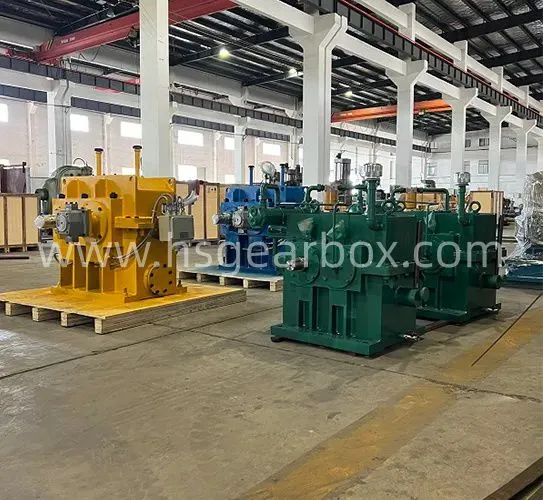
Frequently Asked Questions
What is a high speed gearbox used for in a turbine?
It is a speed-increaser that takes the moderate-speed, high-torque output of the turbine and steps it up for equipment that must run much faster, such as generators, compressors, or pumps. The torque drops by the same ratio, so the two machines stay balanced.
How do I know what speed ratio I need?
Divide the required output speed of the driven machine by the actual running speed of the turbine. Then add margin for governor and load variation, and confirm the result with the manufacturer against your load profile before ordering.
Why does oil type matter so much at high speed?
At high speed, the oil has to form a stable film between the teeth and the bearings at a higher temperature. The wrong viscosity breaks down, loses film strength, and leads to scuffing or bearing wear. Synthetic oils hold up better over a wider temperature range.
How much maintenance does a high speed gearbox need?
It depends on duty, but in general you should plan around regular oil analysis, periodic vibration checks, and scheduled bearing and seal inspection. A unit that is monitored and kept clean and cool will run for years; one that is ignored will not.
Can a Standard gearbox be used for high speed turbine duty?
Usually not. Turbine-class gearboxes are built with case-hardened and ground gears, dedicated lubrication, and bearings sized for high speed. A general-purpose gearbox is not designed for that heat and load, and trying to save money there often costs more in downtime later.
Recently Posted
-
Core Maintenance Guidelines for Maximizing Vertical Mill Reducer Service Life
October 28, 2026Before you plan maintenance, you need to know what is inside the box. Most Vertical mill reducers are built the same way. Power co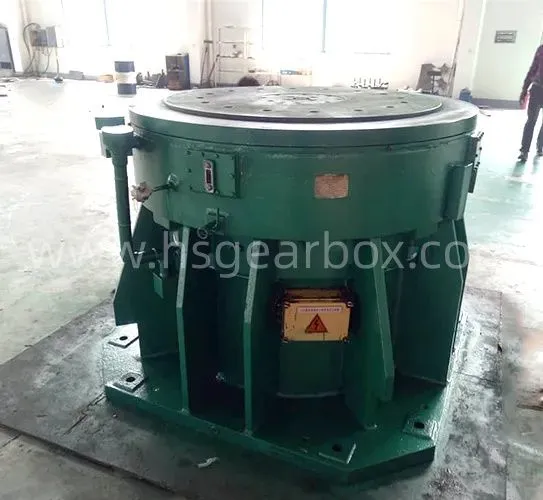 Read More
-
Why vibration control matters when using a high speed reducer?
October 21, 2026A reducer running at low speed can get away with a lot. The gear mesh frequencies are low, the energy per impact is small, and the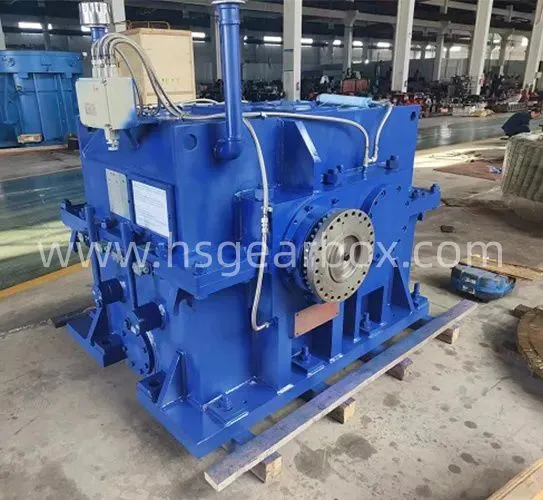 Read More
-
Why thermal management protects a high speed engine from early failure?
October 21, 2026When people hear "thermal management," they picture a radiator and a fan. That is only half the story. A High speed engi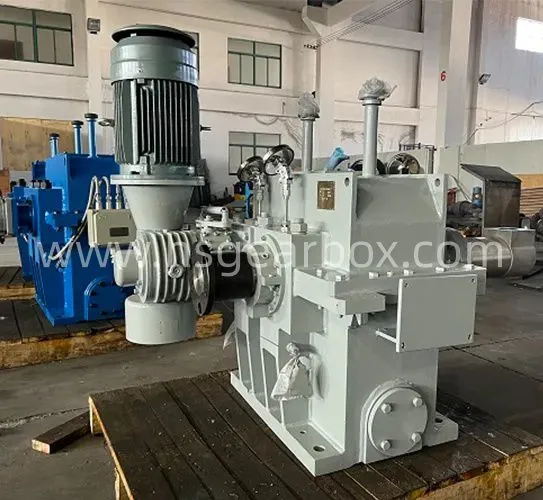 Read More
-
Why Sealing Design Prevents Oil Leakage in High speed reducer?
September 18, 2026High-speed transmission equipment operates under unique working conditions, including fast rotating speeds, continuous internal pr
Read More