 Business License

What Temperature Limits Should a Qualified High Speed Gearbox Meet?
Industrial high-speed transmission equipment runs under continuous load, high rotation speed and frequent dynamic operation. Unlike ordinary low-speed gear devices, a High speed gearbox generates massive friction heat during daily work. Excessive temperature deviation will break the balance of lubrication, material toughness and transmission accuracy, leading to irreversible equipment damage. Therefore, mastering unified standard temperature limits is the basis for equipment operation and maintenance.
Why Temperature Control Is Critical for High-Speed Transmission Equipment
High-speed gear operation produces constant friction between gears, bearings and rotating shafts. Under long-term high-load operation, heat accumulates rapidly inside the closed box structure. If the temperature exceeds the safe threshold, the internal lubricating oil will deteriorate rapidly, losing viscosity and protective performance. This will cause direct metal contact between transmission parts, resulting in gear wear, shaft deformation and bearing burnout.
In addition, continuous high temperature will change the physical properties of metal materials, reducing the structural stability and operation precision of the equipment. Slight thermal deformation will lead to transmission deviation, vibration and abnormal noise, which will gradually expand into major equipment faults and affect the overall production progress.
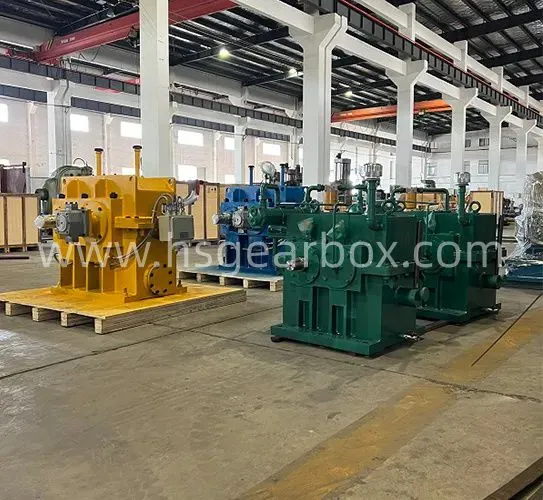
Common Hazards of Exceeding Standard Temperature Limits
1. Accelerated Lubricant Deterioration
Lubricating oil has strict temperature adaptation range. When the internal temperature of the equipment exceeds the standard for a long time, the oil will oxidize, deteriorate and produce impurities, losing its original lubrication, anti-wear and heat dissipation functions. Poor lubrication will directly increase the friction coefficient of gear meshing, forming a vicious cycle of higher temperature and more severe wear.
2. Thermal Deformation and Transmission Accuracy Loss
Each high-precision transmission component has strict assembly tolerance. High temperature will cause thermal expansion and slight deformation of gears and shafts, resulting in meshing deviation, increased equipment vibration and abnormal operating noise. Long-term operation in this state will permanently reduce the transmission precision of the equipment and affect the stability of mechanical power output.
3. Shortened Overall Equipment Service Life
Temperature is the core factor affecting mechanical fatigue life. Continuous over-temperature operation will accelerate metal material fatigue, cause local stress concentration, and easily produce tiny cracks and component damage. For long-running industrial equipment, unregulated temperature will greatly shorten the service cycle and increase equipment replacement costs.
Practical Methods to Control Operating Temperature
To keep the equipment running within standard temperature limits, daily maintenance can start from heat dissipation, lubrication and load adjustment. First, keep the equipment ventilation environment unobstructed and avoid long-term operation in high-temperature enclosed spaces. Second, select high-temperature resistant lubricating oil matching the equipment grade and replace the oil regularly to ensure stable lubrication performance.
In addition, avoid long-term full-load overload operation. Reasonable load distribution can effectively reduce friction heat generation. For high-frequency operation equipment, regular temperature detection and fault inspection can avoid hidden dangers of accumulated heat.
Recently Posted
-
Why Sealing Design Prevents Oil Leakage in High speed reducer?
September 18, 2026High-speed transmission equipment operates under unique working conditions, including fast rotating speeds, continuous internal pr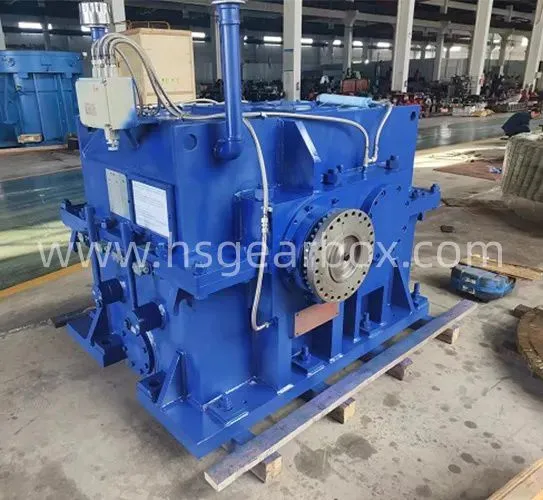 Read More
 -
What Causes Premature Failure in Industrial Gearboxes?
September 11, 2026There's a moment every plant maintenance person knows: standing next to a Gearbox that died years before it should have, while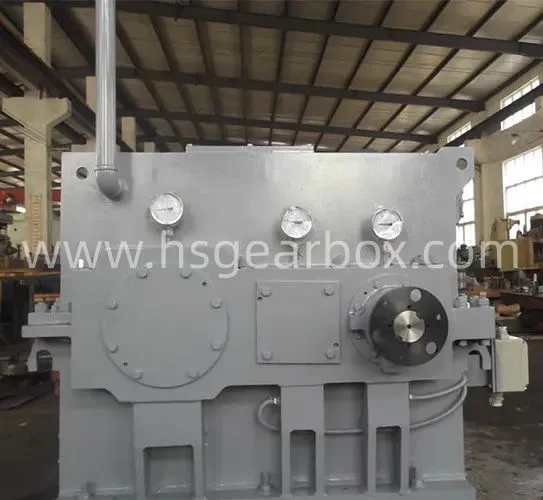 Read More
 -
What Leads to Overheating of Vertical Mill Reducer?
September 11, 2026A Gearbox doesn't fail silently. Every bit of heat it makes is energy that should be going into grinding, not into the oil. Wh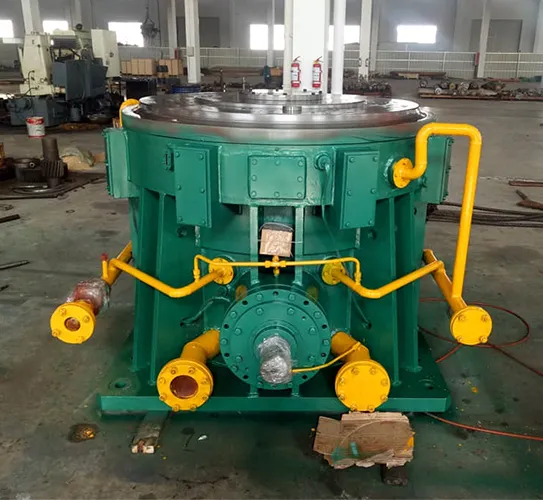 Read More
 -
Main Causes of Unplanned Line Downtime: Issues With Substandard Flying Shear Gearboxes
August 26, 2026In high-speed continuous rolling lines, the flying shear system undertakes the key task of dynamic fixed-length cutting. The core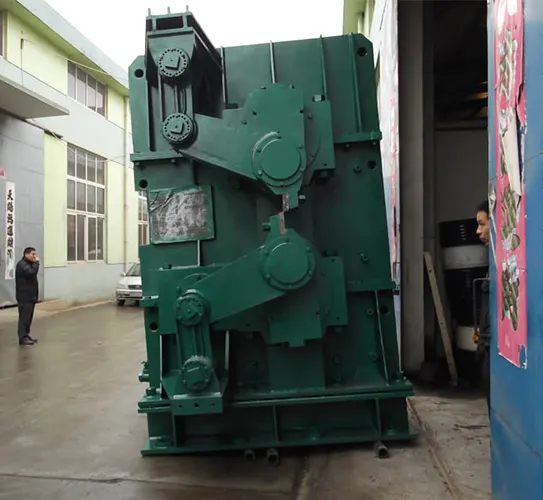 Read More

Contact Us
Recommended Products
-
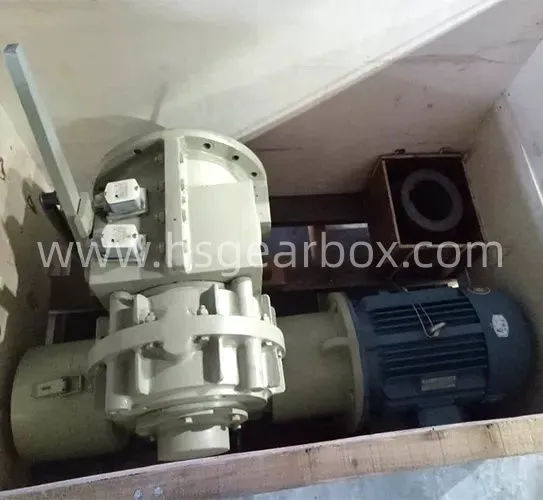
 High Speed Gearbox With Built-in Lubrication and Cooling SystemUS$ 6000MOQ: 1 Piece
 -
Steam Turbine ReducerUS$ 6000MOQ: 1 Piece
-
High Speed ReducerUS$ 5500MOQ: 1 Piece
-
High Speed Reducer for Large Steam TurbineUS$ 6000MOQ: 1 Piece
-
High Speed Gearbox With Self Lubricating Cooling SystemUS$ 6000MOQ: 1 Piece